Amara, age 15, was a bright student who enjoyed poetry and music. She was timid, gentle, and always ready to help others. That was until some of her peers started teasing her about her appearance and posting rumors about her online. The teasing followed her from the classroom to social media where nasty messages and manipulated photos went viral over and over again.
Her parents noticed she was quieter. She stopped writing and eating. She said she was “fine,” but her eyes told another story. Then, one day, Amara didn’t come home from school. The pain of bullying had pushed her beyond what she could endure.
Amara’s story is devastating, but not out of the ordinary. Teens across the globe are bullied every day, and many suffer in silence. Others, such as Amara, pay the ultimate price. It should not be this way and we need to do what is necessary to spare teens from the long-term damage bullying causes.
What Bullying Looks Like Today
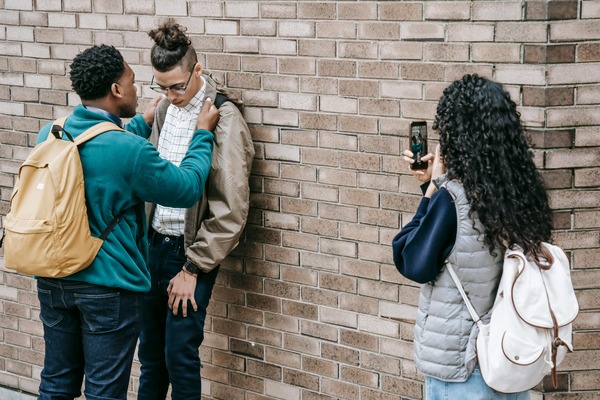
Bullying is not always obvious. It does not always leave a bruise that everyone can see. Bullying today comes in many faces: some of them scream aloud while some of them are silent.
- Verbal bullying – name-calling, teasing, mocking in ways to cause harm
- Social bullying – exclusion, spreading rumors, manipulation
- Cyberbullying – threats, harassment, or humiliation through phones or social media
- Physical bullying – pushing, hitting, stealing belongings.
What is riskier about bullying now is that it occurs around the clock. At home, teenagers can be bullied via group chats, comments, or anonymous apps.

Image by Keira Burton from Pexels
Advice for Teens: What to Do If You’re Being Bullied
If you are being bullied, please know this: you are not at fault and you don’t deserve their ill treatments. Here are what you can do to make stop it:
- Speak Up: Talk to someone about it. You can inform your parents, teacher, counsellor, or any adult you can trust about what has been happening to you. You are not doing yourself any good by keeping it inside. You are just making the bully stronger.
- Record Everything: Save messages, take screenshots, or write down incidents that will be evidence of what you are experiencing. This will come in handy if you ever need to report the bullying.
- Remain Clam and Safe: If it happens in person, walk away whenever you can. Don’t retaliate since it can escalate the situation or land you in trouble too.
- Spend Time with Positive People: Spend time with people who are kind and respectful to you. Even one true friend can make a great difference.
- Protect Your Mental Health: Write in a journal, talk to someone, or take breaks from social media. You deserve peace. You deserve rest. You deserve to feel safe.

Tips for Parents: How to Help Your Teen Through Bullying
You might not always see it, but your teen may be suffering in silence. Here’s how you can help:
- Watch for the Signs
Has your child become withdrawn, irritable, or reluctant to go to school? Are they eating less, sleeping poorly, or glued to their phone? These could be signs that they are being bullied.
2. Listen with Love; Avoid Giving Lectures
Resist the urge to immediately fix or downplay the situation. Say things like, “Thank you for telling me. I’m here for you.” Your calm presence is strong.
3. Help Document and Report
Help your teen to collect proof and file a report to the school or online platform. Follow it through until the appropriate action is being taken.
4. Teach Assertiveness Without Aggression
Help them rehearse firm but respectful responses. Reinforce their confidence by reminding them of their strengths.
5. Get Professional Help if Needed
Therapists and counsellors can help teens process the emotional weight of bullying. Sometimes hearing it from someone other than a family member makes all the difference.
Healing After Bullying: Rebuilding Self-Esteem
Recovery does take time, but healing is possible.
- Encourage your teens to participate in activities that bring them joy or stimulate creativity.
- Praise their courage in taking even small steps.
- Reaffirm that being bullied does not define them as a person.
- Provide a space of open, judgment-free dialogue.

Silence Should Never Be the Only Option
Bullying is never “just part of growing up.” It’s a danger to a young person’s sense of self, safety, and future. As teenagers, you should feel heard. As parents, you can be a safe haven your child can run to, not hide from.
Note: If you or someone you love is being bullied, don’t wait. Speak. Listen. Act.
Have you or your teen ever been bullied? What made it get better, and what do you wish other people would have done differently?
