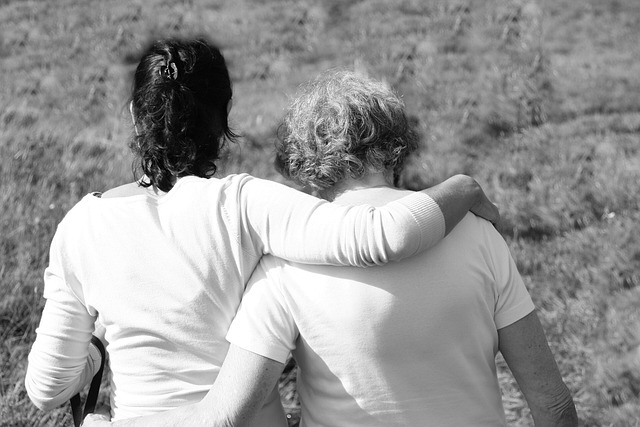
Death has never been an easy thing, but for older people, mourning can be even lonelier. If the death is the passing of a spouse, close friend, or old companion, whatever it is, the sense of emptiness can be immense. In old age, these kinds of losses are the aftermath of years and even decades of shared experience, so the sense of emptiness can be strongly evident.
Grief in older adults is different from others. It may become a heavier load especially when there are other life changes like retirement, shift in health, or reduced day-to-day interaction. But there is always room for adjustment. With appropriate support, attitude, and self-compassion, you can tap into strategies to cope with the death of loved ones while still living an active and purposeful life.
Understanding Grief in Elderly People
Grief is not the same thing for everybody, and for the elderly, it may be emotional and physical. Some are tearful and lonely; others feel tired, forgetful, or a lack motivation. Then there is the complicating issue of cumulative grief, where multiple losses over many years build up and become increasing heavy to bear.
Physical limitations, reduced mobility, or less social interaction can increase feelings of loneliness. That is why it’s important to recognise these signs at the onset so you can respond with patience and empathy.

Practical Tips to Cope with the Death of Loved Ones
- Accept and Feel the Emotions
There is no “right way” to grieve. Some days may be harder than others and that’s okay. You can express your grief by writing, praying, crying, or speaking about it. If you don’t express your emotions, you simply extend the healing process. Grief is not a weakness; it’s evidence of great love.
2. Stay Connected with Loved Ones
Loneliness also intensifies your sorrow. If you stay close to your family and friends, or a community group, you derive comfort with such a relationship. You may also resort to local support groups, church gatherings, or phone calls with loved ones. Casual interactions may also spark joy and remove emotional burdens.
At times, you may take the initiative to call them as it is a brave act for your healing.
3. Create New Habits and Purpose
Grief for a loved one creates a gap in one’s daily life. You need to restore a sense of routine. Try doing something as ordinary as morning walking, gardening, or reading a book. This will bring structure and a meaning to your life. Others derive pleasure in volunteering, mentoring, or picking up a long-forgotten hobby.
4. Seek Professional Help
Grief sometimes becomes too much to handle on your own. You can talk to a grief counsellor, therapist, or spiritual leader as they can provide you with advice to walk through your grief. Many communities also offer bereavement support groups, either in-person or online, that are specifically for older people.
When you ask for help, you are not seen as weak. It’s your own healing process and every action taken is worh it.
Read also Mindfulness Practices for Older People to Reduce Anxiety – Mental WellSpace
Honour the Memory of the Loved One
One of the ways that you can cope with the death of loved ones is by preserving the memory of the dead. Create a photo album, publish an obituary, plant a tree, or make a donation in their name. These are meaningful gestures that will help you treasure their memories.
These memorials can give you comfort, peace, and even a sense of closeness to the deceased.
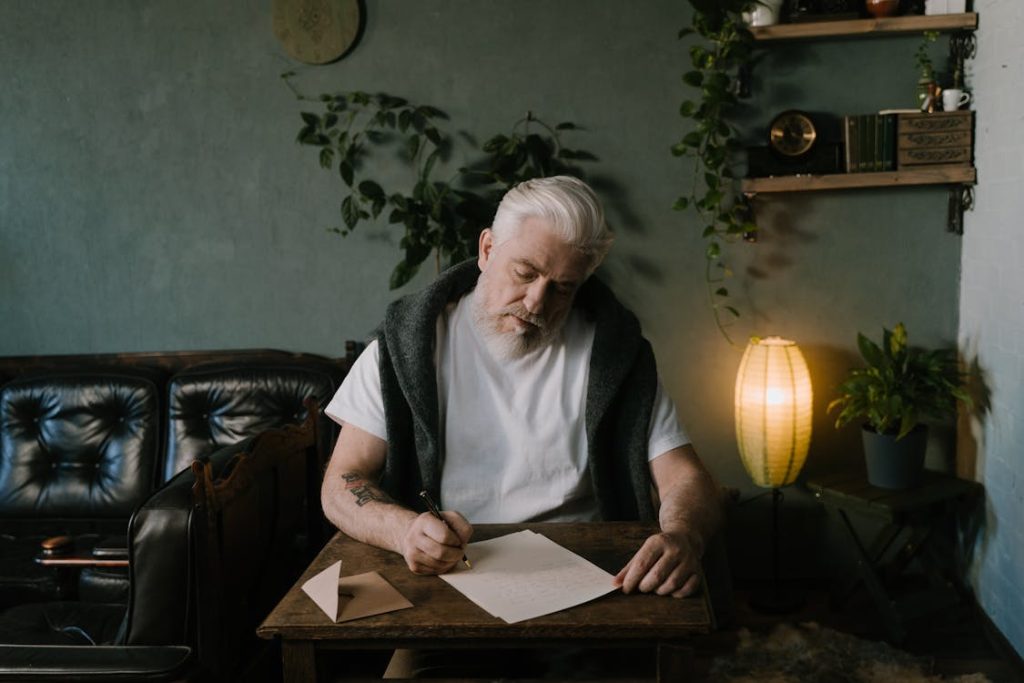
How to Render Support to Your Loved One through Loss
If you are a loved one or caregiver for a bereaved older adult, your presence counts. Sit with them, offer a listening ear and don’t attempt to fix their problem. Hang out with them and wait patiently. Occasionally, you can help with errands, invite them to social gatherings, or merely call on them regularly.
Grieve is not something that you can solve; it is something you walk through together.
Mourning a deceased one is one of life’s greatest challenges. For older people to cope with the death of loved ones, it comes with layers of complexity. But with time, patience, care, and hope, healing is possible. Life after loss can still be full of connection, meaning, and even joy.
As Helen Keller once stated,
“What we once enjoyed and deeply loved we can never lose, for all that we love deeply becomes a part of us.”
