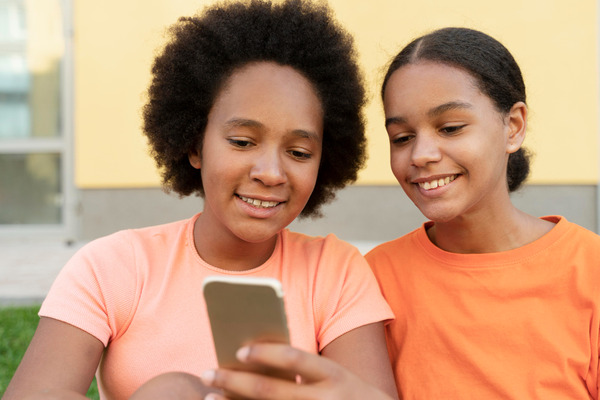
For today’s teens, building online friendships has become just as common as meeting people in person. Through social media, online games, and chat forums, teens are able to form new ways to connect with other people their age. However, there are some risks.
Personal Experience with Bad Online Friendship
I was once a victim of this bad online friendship. I joined an online book discussion group where we read diverse kinds of novels and shared our thoughts about them. One day, one of the participants, Cam, messaged me privately. I found him to be funny and attractive. He also seemed interested in everything I liked.
He complimented my writing, made me laugh, and remembered every little detail about my life. Over time, our conversations shifted from books to personal topics. He encouraged me to share my thoughts, especially when I had a bad day. At first, this felt comforting for me.
It wasn’t long after this that Cam’s messages became more intense. He wanted to know where I was all the time. He began to ask me to keep our chats secret, especially from my parents. At one point, he asked for personal photos and suggested a video call, but only if I was alone.
That’s when I had to take a pause. Up until this moment, I had ignored these small signs because I didn’t want to believe my friendship with him was wrong. He seemed to be a really nice guy, so I thought he was harmless. Now, I began to feel very uncomfortable and scared. Cam no longer made me feel safe.
I showed my older cousin our messages and she immediately told me he was manipulating me. She helped me block Cam on all platforms and reported him on the app. In sincerity, it was hard letting go of someone who had once felt like a friend, but I knew that my peace was worth protecting.
I learnt that just because someone listens does not mean they care the right way. Now I trust my gut and talk to real people I trust before letting anyone get too close online.
In this article, I present some of the tips I’ve learnt overtime on how to build digital connections that are both safe and meaningful.
Why Building Online Friendships is Essential
In all honesty, some of the most understanding and supportive people you meet might not live in your city or even in your country. Thanks to technology, it is possible to build real friendships online that would offer you emotional support, a safe space, community, and encouragement to express your true self.
While these friendships can be real and valuable, it is important to use wisdom and caution in how you grow and maintain them.
The Risks You Need to Know
There are people online who don’t always show their true intentions. It is crucial that you understand the risks so that you can avoid unsafe or harmful interactions.
- Fake identities (catfishing) – Someone might pretend to be your age mate or someone they are not just to get your attention and make you do their wishes.
- Grooming or manipulation – They slowly try to gain your trust and control your actions.
- Cyberbullying – They send hurtful messages, threats, or public embarrassment.
- Oversharing – They reveal private information that puts you at risk.
- Secrecy – If a person asks you to hide the friendship from others, consider that a red flag.
Safety tip: Trust is built over time, and no one online should pressure you into hiding things or rushing closeness.
What a Healthy Online Connection Looks Like
Not every online connection is positive. An online friendship is good for you when they make you feel safe and respected. They don’t pressure you to share too much or act a certain way. Your communication with this person should be balanced and not one-sided or demanding. Your boundaries are accepted without guilt.
Tips for Building Online Friendships
Here’s how you can build strong friendships online that would not compromise your safety and mental health:
- Take things slow: Strong friendships take time. You don’t need to rush it. Start your conversations casually.
- Keep personal info private: Don’t share your address, school name, or the places you go on a daily basis.
- Involve someone you trust: Tell your parents, guardian, or older siblings about your friends online. Let them in on the sorts of conversations you have with them.
- Use safety features wisely: Block and report anyone who behaves inappropriately. Anyone sending you insulting, sexual, or degrading contents should be blocked.
- Listen to your instincts: If something feels off, it probably is. Don’t hesitate to withdraw from such.
You Deserve Safe, Supportive Connections
Building online friendships can be beautiful, supportive, and lasting if they are built on trust and respect. You deserve friendships that make you feel see, heard, and secure. So, take your time to build solid online friendships.
Question for the Day
Have you ever made a friend online? What made it feel real or what made you cautious?
Share your thoughts below. Your story could help someone else.

One Response
I made an online friend some years back. He was a really nice and friendly person, but I didn’t want to meet with him physically. I assumed our relationship will become boring we met each other. I’m more of an introvert outside, but a good textrovert. Thought I wouldn’t be accepted if I showed them the super chill version of me when I’m always very interactive online.