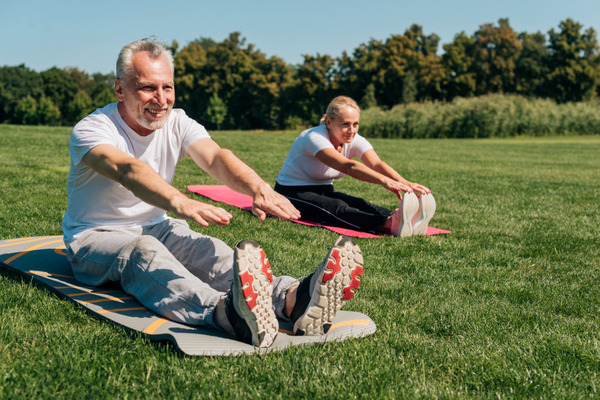
Many times, when people retire, their daily life slows down. The job that provided the framework for their day gone and it feels appealing to not move around like before. However, the body still requires movement even at this resting period. Without movement, stiffness develops. The energy you previously carried starts to wane and being independent becomes more difficult.
Individuals over the age of 60 do not have to do extreme exercises to feel better. Daily movement normally yields great results. Honestly, exercise for older adults is one of the best tools of aging well, staying independent, and enjoying life.
Benefits of Staying Active after 60
Exercise is good for the body and soul beyond just fitness. Some of its most valuable advantages include:
- Mobility and Flexibility: Moving regularly keeps your joints from becoming stiff. It also makes daily tasks like bending, reaching, or walking easier for you.
- Improved Heart and Circulation: Mild exercises such as walking improve your cardiovascular health, which reduces the risk of heart disease.
- Building and Sustaining Bone Density: Strength exercises enable you to sustain your bone density and muscular strength. This lowers the risk of falls and bone fractures.
- Better Mood and Lower Stress: Exercise releases chemicals in your brain that make you feel less stressed and improve your overall mood. Lots of older adults find that staying active helps with anxiety or low feelings.
- Sharper Minds: Studies show that exercise supports ones memory and cognitive function. This will help keep your brain active as the years go by.
These benefits of exercise for older adults stress the fact that it’s not too late to join the bandwagon. Put on that tracksuit and start your own exercises.
Simple and Safe Exercises to Try
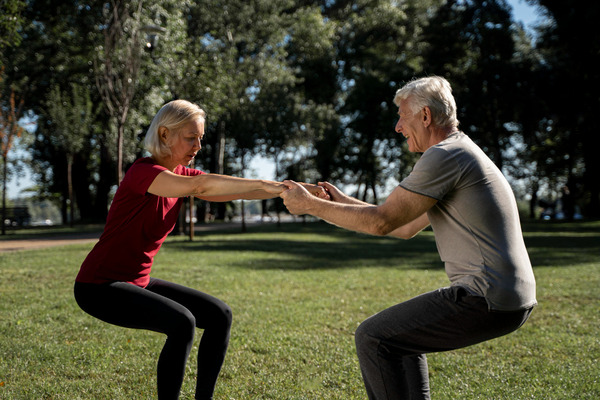
Exercise does not only mean lifting heavy weights or running long distances. Some of the best exercises are simple and extremely safe. The following are just a few examples:
- Walking: This is low-cost and gentle on your joints. You do not have to pay to walk a few distances around your neighborhood. A short walk every day increases blood circulation and energy.
- Stretching: Stretching makes your joints flexible and reduces stiffness. You can try it out first thing in the morning or before bed.
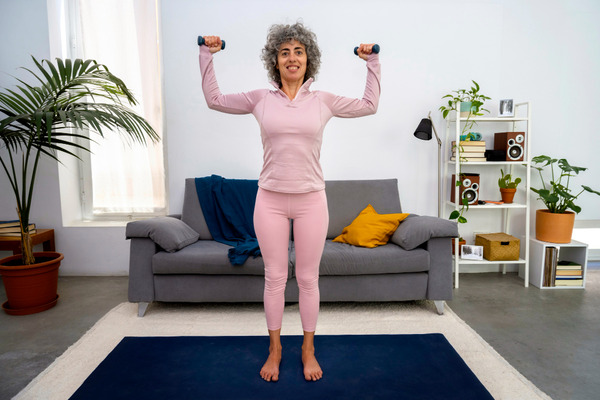
- Strength Training: You can use light weights, water bottles, or resistance bands to build strength and protect your bones. Two or three sessions a week is sufficient to make a change in your body.
- Balance Exercises: You can stand on one foot for a few seconds; do heel-to-toe walking or yoga. This will greatly enhance your balance and reduce your risk of falling.
- Mild Cardio: Swimming, cycling, or even dancing to music at home makes your heart stronger and adds fun into staying fit.
These practical exercise tips for older adults can easily be done without having to use a lot of time or energy.
Overcoming Common Barriers
It is normal for you to have doubts about starting exercise later in life. Here are some common concerns you might have:
- “I’m too old to start now.” It’s never too late for anyone to start exercising. Even a little bit of activity will do you a world of good.
- “I get tired easily.” That’s okay. You can start with short sessions. Use 5-10 minutes for exercises. You can increase the time as you notice progress.
- “I’m worried about safety.” Check with your doctor before you start any new exercise and choose movements that you are comfortable with. Focus on steady progress and don’t push yourself too hard.
These steps make staying active after 60 both safe and rewarding.
Building Exercise into Daily Life
The best routines for you are those that easily fit into your daily routine.
- Try short strolls after meals.
- Stretch while watching TV.
- Do balance exercises while you brush your teeth.
- Have a friend tag along so it’s more fun.
What matters most is that you are consistent. You don’t need to apply extra intensity to your exercises. The small amount you do adds up in the long run. These are practical fitness tips for older adults and even younger ones who want to keep moving without stress.
Conclusion
Aging does not mean loss of strength or loss of independence. Movement is one of the greatest ways to stay healthy and live life to the fullest. You don’t need gym memberships or hours of exercises. What you need do is to select activities you enjoy and do them regularly.
At its core, exercise for older adults is the prescription for living well, staying strong, and staying independent well into your 60s and beyond. Start slow, stay steady, and celebrate every step you take.
