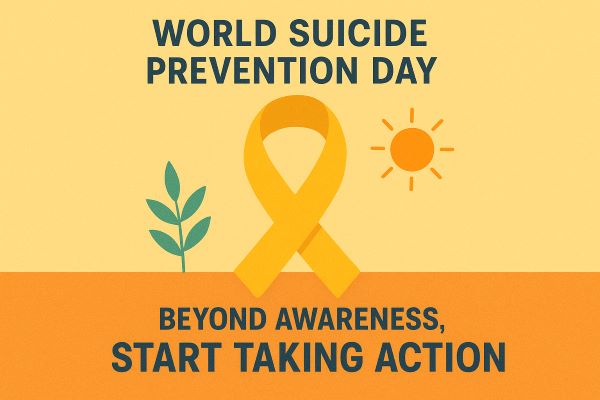
Millions of people each year struggle with thoughts of suicide. The numbers are sobering, but what often goes unsaid is this: suicide prevention is not just up to doctors or mental health specialists. Ordinary people like friends, teachers, parents, coworkers, and even neighbors are each qualified to help prevent sudden deaths.
This year’s World Suicide Prevention Day challenges us to change the narrative on suicide. That is, go beyond posting slogans and making awareness. Start implementing actions that will bring real hope. One thing is clear, daily suicide prevention practices are not complex or difficult for anyone. They can be as straightforward as being present, listening, and assuring someone that they are not alone.
The following are five practical contributions we can all do to make a difference in people’s lives:
- Listen Without Judgment
When a person finds the courage to open up, what we say to them matters a lot. Too often, people hear dismissive remarks like “You’ll get over it” or quick fixes like “Just think positive.” Such words may originate from a desire to help, but they could make the person feel unseen.
Instead, slow down and listen. Give space without rushing to fill the silence. Use validating words such as, “That sounds really hard” or “I can see how much this hurts you.” Listening without judgment sends a message to them that their feelings are real and that they matter.

2. Initiate Regular Contact
Suicidal tendencies often become more intense in quiet and solitude. At times, the most powerful act of love is checking in. Even if you don’t know what to say to them, reach out anyway.
Send a message. Make a phone call. Ask, “How are you really doing?” And then check in again next week. You don’t know when a simple “thinking of you” might help a struggling person hold on for just a bit longer.
This is the essence of community suicide prevention. You do not wait for people to ask for help, you show up consistently in their lives and let them see that help is always available.
3. Use Supportive Language
The words we choose to say can shape the way people feel about themselves. Stigmatizing terms like “committed suicide” can sound like a crime, evoking shame in the victim. Use a more respectful and compassionate phrase like “died by suicide” or “living with suicidal thoughts.”
It may look like a small detail, but language sets a tone. When we speak carefully, we create an environment where people feel more open to talk without fearing others are going to judge them.
4. Encourage Professional Help
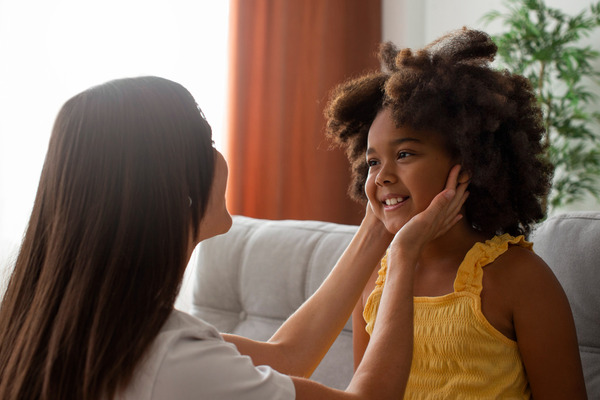
Though friends and families can help to a certain extent, they are no replacement for professional care. Suggest therapy, hotlines, or support groups gently to the person as it can be life-changing.
You can say: “I’m here for you, and I also believe speaking to a counselor could help you feel supported in ways I can’t provide.”
Normalize therapy and counseling as it is central to the person’s recovery. Just as we wouldn’t hesitate to see a doctor for chest pain, we shouldn’t hesitate to visit a trained profession for emotional pain. Keep in mind, daily suicide prevention practices also involve connecting people with trained experts who can walk them through recovery.
5. Model Self-Care and Openness
One of the best things you can do to encourage people is to show them that it’s okay to care for yourself. Talk openly when you’ve had a bad day. Take breaks. Practice habits like journaling, walking, or reaching out to your own support system.
When we model self-care, we signal that seeking help is not weakness but strength. This ripple effect can inspire others, especially children, teens, and coworkers, to do the same.
Lastly, daily suicide prevention practices are not about heroic acts. They involve showing up, consistently and passionately, for the people in our lives.
Each of us has the power to help change the conversation from silence and stigma to hope and support.
Question of the Day: What’s one action you can start making today to make someone feel less alone?

3 Responses
I could talk openly about suicide. Share my personal experience and other ones I’ve read or heard from others. This makes people feel less alone and they are motivated to share their own struggles.
Happy World Suicide Prevention Day💪💪