
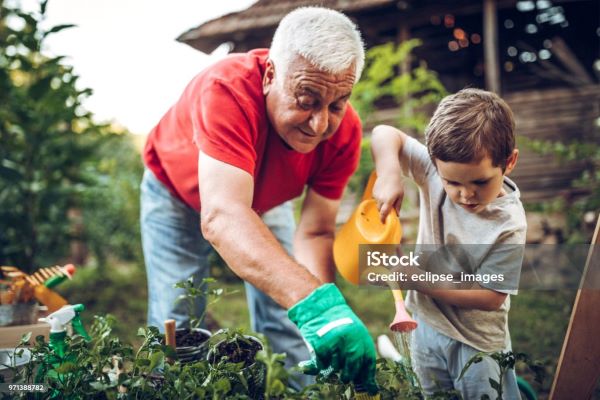
Mr. Thompson retired from service at 68 years of age. The initial months of retirement were difficult for him. He would remain at home and was restless and withdrawn throughout. His active schedule as a teacher was no longer there, and he could not find anything to motivate him. His daughter suggested that he became a member of a local community garden club. Initially, he wasn’t certain it would be of benefit to him, but within a matter of weeks, he noticed a change. Working with soil, tending plants, and sharing laughs with other people gave him a sense of purpose. His mood gradually improved and his confidence returned. What had seemed like the onset of decline turned into a new phase of growth.
Like Mr. Thompson, older adults who are presented with similar challenges are staying mentally strong after retirement with the help of hobbies. In fact, studies in the Journal of Aging Health indicate that participation in leisure activities; even more so hobbies that stimulate the brain and promote social connection, enables retirees maintain to enjoy better mental health. The World Health Organization also observes that recreational activities that facilitate creativity, mobility, and socialization decrease the risk of depression and cognitive impairment in elderly individuals.
What Studies Reveal About Hobbies and Mental Health in Retirement
Research consistently demonstrates that hobbies are not a waste of time. They’re associated with sharper memory, improved emotional health, and even longevity. Indeed, Harvard’s ongoing Study of Adult Development discovered that purposeful activities, stemming from hobbies, volunteering, or learning, is one of the significant predictors of happiness and mental resilience in old age.
This tells us that retirement is not a time to slow down mentally. Hobbies keep the mind sharp, the spirit active, and the heart open to new opportunities.
How Hobbies Enhance Mental Health
- Boosts Brain Health
As you engage your mind in new skills, like playing an instrument or solving puzzles, it keeps your neural pathways active. This will eliminate the risk of memory loss and support your long-term brain health.
2. Reduces Stress and Anxiety
Painting, gardening, or knitting help you relax well. They soothe your mind and reduce stress hormones.
3. Gives You Purpose
As you set goals within hobbies, like completing a painting, growing vegetables, or writing stories, you experience success and have direction. When you are purposeful, it energizes your emotional strength.
4. Encourages Social Connection
Group hobbies build friendships and reduce loneliness. A book club, choir, or walking group adds laughter, companionship, and community.

Examples of Hobbies with Mental Health Benefits
- Creative: painting, pottery, or journal writing.
- Physical: light exercise such as yoga, tai chi, or dancing.
- Intellectual: puzzles, crosswords, or lifelong learning classes.
- Social: volunteering, community gardening, or faith-based activities.
The trick is to do activities that will enrich your life with enjoyment and can be done on a regular basis without giving you stress.
Tips for Choosing and Sticking to a Hobby
- Start small: experiment with one activity before introducing another.
- Select hobbies that bring you joy and not one that exhausts you.
- Balance alone time and social interaction by combining solo and group hobbies.
- Establish realistic goals in order to maintain your level of motivation.
Mr. Thompson did not have to get a new job to feel whole again. His hobby of gardening gave him something better. He gained community, purpose, and strength in just one hobby. Science agrees that hobbies are excellent methods for staying mentally strong after retirement.
You can retire to re-fire. Make your retirement years a season of growth, exploration, and fulfillment when you take these intentional steps. Use your hobbies in shaping the meaningful life you need.
