
Sunday evenings used to feel peaceful. A quiet close to the week and the opportunity to rest, reset, and prepare for what lies ahead. Now though, it feels like something has changed for Sam.
By late afternoon, she begins to feel a certain heaviness in her chest. She doesn’t think it’s anxiety or even stress, but something close to both. Sam would think about the week ahead, the expectations, responsibilities, and the people that depended on her success. These thoughts alone filled her with a sense of tiredness. It’s not the physical kind; it was something deeper.
Oh! Sam knows that she can handle the week as she’s always done. She would show up, follow through, stay dependable for everyone. Her presence was perfect, but internally, she was in turmoil. The thought of doing it all again, being present, available, and strong felt exhausting even before the week began.
The more Sam tried to rest, the more the unsettling feeling increased. The rest was not working the way it used to. She was drained in a way that sleep alone couldn’t fix. Even quiet moments didn’t feel as restful as they should. Yet, she kept going because she has been told she’s strong and capable.
If you can relate to Sam’s situation, then this is for you. Sam was not just experiencing stress or temporary fatigue. She was going through something that most women often overlook just to be there for others. It is called emotional exhaustion.
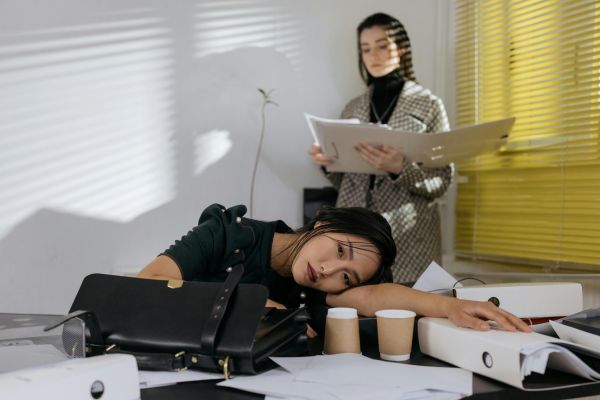
What is Emotional Exhaustion?
Emotional exhaustion is often mistaken for ordinary tiredness, but it goes beyond needing sleep or taking a short break. It is a deeper kind of fatigue that settles in the mind and emotions, not just the body. It is that feeling of being internally drained, as though your capacity to keep giving, responding, and holding things together is gradually wearing thin.
You can choose to take time off, sleep longer hours, or step away briefly, and still feel like something hasn’t changed yet. The tiredness lingers, conversations with others feel like a struggle, and even small responsibilities that you can easily handle feels like a burden.
Emotional exhaustion does not always look like a breakdown or an obvious struggle. Most times, it comes quietly, like a gradual shift from the norm. You notice that your patience is not what it used to be. That things you once handled with ease now feel overwhelming and that you feel present physically, but mentally distant.
At times, it can be confusing because on the surface, everything seems fine. You are showing up, doing what needs to be done, and meeting expectations. But internally, it feels like you are running on something that is slowly running out. This is what emotional exhaustion in women looks like. It is easy to dismiss until the weight becomes harder to ignore, and the tiredness begins to speak in ways that can no longer be overlooked.
The Hidden Weight Behind Strength
For many, emotional exhaustion in women is about carrying too much for too long without pause. What makes it heavier is that it often comes disguised as strength. Over time, strength stops being a choice and starts feeling like a responsibility. This hidden weight looks like:
- Being the one everyone relies on, without having the same support in return
- Constantly managing your emotions and others
- Feeling responsible for keeping things stable in relationships, family, or work
- Struggling to say no without guilt
- Showing up even when you feel mentally and emotionally drained
Every one of these may seem manageable on their own, but when they accumulate in one person, they create a steady emotional load that is rarely acknowledged yet deeply felt.
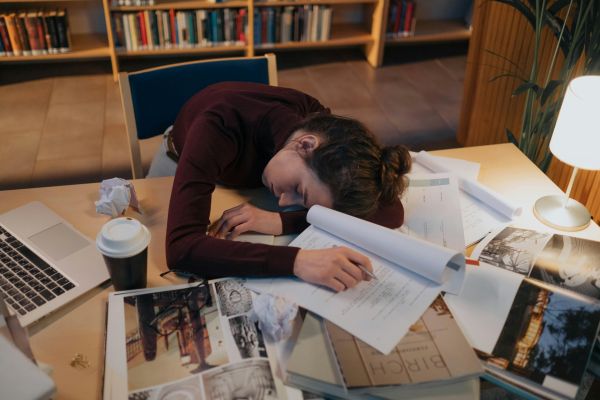
The Mental and Emotional Cost of Emotional Exhaustion
Over time, emotional exhaustion in women begins to show up in ways that are hard to ignore. It affects not just how you feel, but how you think, respond, and connect with others. It often appears as:
- Feeling constantly drained, even after resting
- Becoming easily irritated or emotionally distant
- Losing interest in things you once enjoyed
- Struggling to focus or stay mentally present
- Withdrawing from conversations or social interactions
This comes with an internal tension that you can’t put into words. You want space, but you immediately feel guilty for taking it. You know that you need help, but you find it difficult to ask for it. Every time, you feel overwhelmed, but you are unable to slow down. This cost you mentally, emotionally, and even physically. While others can’t see it, you always feel it within you.
Effective Approaches to Rest Without Guilt
The hardest part for many women is not being tired; it is allowing themselves to rest. Even when the body slows down, the mind resists. There is always something to do, someone to respond to, or a reason why rest can wait. Here is how emotional exhaustion in women is sustained: by the belief that rest must be earned. This is how to break out of this pattern:
- Allow yourself to pause without explaining or justifying it
- Let some things wait or even go without feeling like you are failing
- Choose not to respond immediately to every demand
- Create moments in your day that are only meant for you
- Remind yourself that rest is not a reward, but a necessity.
Taking out time to rest does not mean you are no longer strong. You are just choosing to not ignore what your mind and body have been asking for.
Redefining Strength in Women
One of the reasons emotional exhaustion in women goes unnoticed is because of how strength is often defined. It is praised in ways that require one to give and endure things constantly, without little room for pause. It suggests that being strong means that you are always available, holding things together, suffering silently, giving endlessly, and always pushing through no matter how you feel.
However, real strength is not found in constant depletion. Real strength could also look like:
- Saying no without guilt
- Asking for help when you need it
- Acknowledging when something feels like too much
- Choosing rest before reaching a breaking point
- Allowing yourself to be supported, not just relied on
This will help you to continue to show up without losing yourself in the process.
She is Still Strong but Not Tired
There is a kind of strength that the world easily recognizes and applauds. The kind that endures everything, gives consistently, and keeps going no matter what. However, there is another kind of strength that is quieter, often overlooked. The kind that pauses, admits that you are tired, and the strength that chooses you even when you are used to choosing everyone else.
Emotional exhaustion in women should not imply that they are failing. It means that they have been strong for a very long time without creating the time to rest, receive, or to be held in return. That kind of strength becomes overwhelming and exhausting when left unattended.
Here’s the opportunity to step back, feel what you feel without minimizing it, and rest without guilt. Because being strong was never meant to cost you your peace. You are still strong, but you also deserve to be whole.
