
Behind the Silence: Men and Mental Health Series – Part 6
A man sets out on a long journey carrying a heavy backpack. At first, he’s able to manage the weight of the bag, adjusting the straps as he moves. However, as the journey progresses, the heavy weight made his shoulders ache and his pace slowed down. The sun began to set, and he knew he had to hurry to get to his destination in time. But the load wouldn’t let him quicken his pace.
Along the way, a few people offered to help carry some of the load, but he vehemently refused. A stronger man than he said he could help carry it for a few hours since they were going in the same direction. The man smiled and said,
“Thanks, but I’m fine.”
After some hours, the weight became harder to bear and his confidence quickly turned to exhaustion. Yet, he kept carrying the backpack alone, convinced that accepting help would somehow mean he is no longer strong enough. This is how many men today approach life.
They carry responsibilities, worries, disappointments, and emotional burdens without letting anyone share the weight. They convince themselves that they can handle it all and asking for help is unnecessary. Over-time, what began as self-reliance in men soon becomes isolation.
Self-Reliance can become a Deadly Habit too
Self-reliance is often viewed as a positive and admirable trait. It encourages responsibility, initiative, resilience, and the ability to solve problems. Many men take pride in being dependable especially when others rely on them. In healthy amounts, self-reliance helps people navigate challenges and develop confidence in their abilities.
However, there is a difference between being capable and believing you must carry every burden on your own. The line is crossed when self-reliance becomes:
- Refusing support even when it is needed.
- Keeping struggles hidden from everyone.
- Believing that asking for help is a sign of weakness.
- Feeling responsible for solving every problem alone.
At that point, what appears to be strength may actually be preventing growth, connection, and healing. In addition, a study by the University of Melbourne revealed that men who identified as self-reliant are most likely going to have thoughts about suicide and self-harm compared to other men. That’s why self-reliance in men, if not handled carefully can become a deadly habit. Men should understand that isolation is not associated with strength; it’s tantamount to avoidance or weakness.

The Consequences of Handling Everything Alone
Carrying life’s challenges without support can have significant effects on men’s mental and emotional wellbeing. Some of the consequences are:
- Emotional Exhaustion: Every person has limits to what they can handle. Your emotional energy gradually becomes depleted when you decide to carry all the pressures alone. As a man, you may continue to function and fulfill your responsibilities despite feeling exhausted. Along the line, the exhaustion can begin to affect your motivation, concentration, patience, and overall wellbeing.
- Increased Stress: Challenges are often heavier when they are faced in isolation. Without trusted people to share concerns with, stress can remain trapped in the mind, growing larger than it might otherwise be. Even manageable problems can begin to feel overwhelming when there is no opportunity to talk them through or gain perspective.
- Loneliness and Isolation: One of the most painful consequences of handling everything alone is the sense of disconnection it can create. A man may be surrounded by family, friends, colleagues, or community members and still feel profoundly alone. This happens because they are not aware of the weight the man is carrying. When struggles remain hidden, meaningful support becomes difficult to receive.
- Delayed Support: Many men wait until they reach a breaking point before seeking help. They push through stress, anxiety, grief, burnout, or emotional struggles hoping things will eventually improve on their own. Sometimes they do not. The longer support is delayed, the more difficult challenges can become. What starts as independence can gradually become isolation.
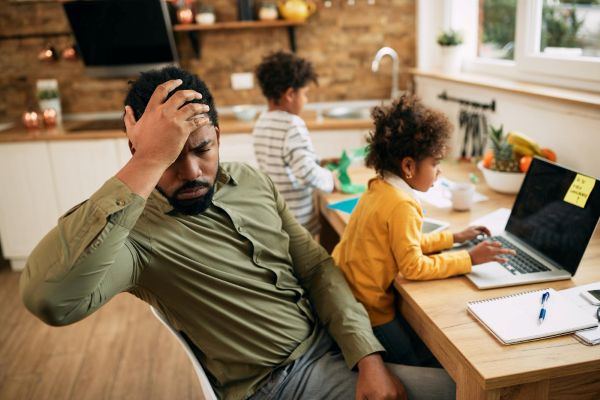
Why Asking for Help feels so Difficult
If support is available, why do so many men struggle to accept it? The answer is more complex than them just being stubborn. Many of these men feel uncomfortable to ask for help because it creates a sense of vulnerability. They worry that others will see them differently if they admit they are struggling.
Others fear becoming a burden. They are accustomed to being the person who offers support rather than the one who receives it. As a result, they feel guilty about leaning on others, even during difficult times.
Some men also believe that needing help somehow reflects failure on their part. They hold themselves in high esteem and always expect to manage their challenges independently. Therefore, they view assistance as evidence that they are not coping well enough.
Ironically, many of these same men would never judge a friend, family member, or colleague for asking for support. They are often far more compassionate toward others than they are toward themselves.

Reviewing what Strength Entails and Letting Others in
Since time immemorial, men have never been viewed as weak or lacking in strength. The problem lies in what strength actually entails. People often associate strength with endurance, toughness, and self-sufficiency alone. While these qualities have value, they are not the complete picture. Strength also includes:
- honesty.
- recognizing when something is too heavy to carry alone.
- acknowledging emotional struggles rather than pretending they do not exist.
- allowing trusted people to provide support.
Accepting help does not erase independence or self-reliance in men. It simply recognizes that human beings are not designed to deal with every challenge in isolation. Start by letting others in. Speak to someone you know is concerned about your health and loves you enough to help you. This will create opportunities for you to connect, build deep relationships, and receive relief in times of difficulty.
Remember, the strongest people are not those who never need help. They are often the ones who recognize when help is needed and have the courage to accept it. Know when to put down the backpack and let someone else carry it for you.
Previous article in Men’s Mental Health series: Not Every Angry Man is Angry

2 Responses