
Behind the Silence: Men and Mental Health Series – Part 7
Samuel and his father were standing in line at a supermarket checkout after picking up a few groceries. As the cashier gave the change to his father, he glanced at the receipt and realized he had been given more money than he was supposed to receive. Samuel watched as his father counted the notes, realized the cashier’s mistake, and returned the extra cash. The cashier thanked him and the two walked out of the store with their goods.
Samuel never asked why his father gave the money back and his father didn’t turn the moment into a lecture about honesty. Yet years later, Samuel still vividly remembered what had happened that fateful afternoon and the lesson he learnt from his father’s action.
Children are always learning long before fathers begin teaching life’s biggest lessons through conversations. They begin to learn through every day actions. Every decision, reaction, and habit contributes to the father-child relationship, shaping how children understand themselves, other people, and the world around them.
What are Children Learning from their Fathers Today?
Many parents assume that life’s most important lessons are taught when they have intentional conversations with their children. When they explain to them what is right from wrong, giving advice or correcting a behavior. Although these conversations are important, children learn much earlier.
They watch how their fathers react when plans fall apart. Their memories are clear when fathers keep or forget their promises. They observe how disagreements are handled and whether kindness is shown even when no one is watching. These everyday moments are quiet lessons for them.
This idea is supported by decades of psychological research. Social Learning Theory, introduced by psychologist Albert Bandura, suggests that children learn many behaviors by observing and imitating the people around them. In other words, fathers are constantly teaching through what they do consistently and not just through what they say.
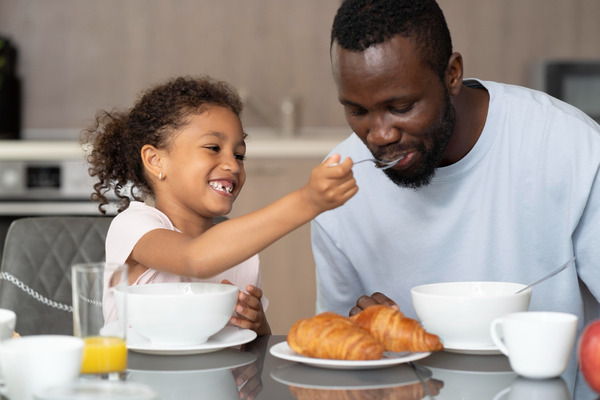
Silent Lessons Fathers Teach through their Actions
Every father leaves an impression on his children. It does not have to be intentional. The children absorb these lessons every day through repeated actions and attitudes. Some of those lessons include:
- How to handle emotions: Children notice whether their fathers acknowledge their feelings or pretend they don’t exist. They learn whether it’s acceptable to express sadness, frustration, or joy in healthy ways.
- How to treat other people: Respect is often demonstrated before it is explained. The way you speak to your spouse, relatives, neighbors, or service workers teaches your children how they are to treat other people.
- How to respond to failure: Setbacks are inevitable. Children learn resilience when they see their fathers adapt, persevere, and learn from mistakes instead of giving up or blaming others.
- How to deal with stress: Every family experience pressure. The question is not whether stress will appear, it is what children see when it does. Calm problem-solving leaves a different impression than constant anger or emotional withdrawal.
- How to value relationships: Being physically present is important, but being emotionally present often leaves deeper impact. Small moments of attention, listening, and shared experiences help strengthen the father-child relationship in ways expensive gifts cannot.
- How to ask for help: A father who is willing to seek advice, admit he doesn’t have all the answers, or lean on trusted people teaches his children that strength and vulnerability can exist together.
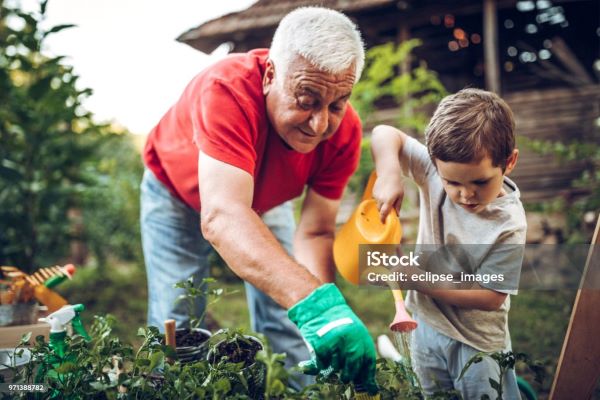
Which Habits are Children Most Likely to Copy?
Children do not only remember what they see, they repeat it. The habits that are practiced consistently at home gradually become familiar, and familiarity has a way of shaping behavior. This is why routines and attitudes can influence children just as much as major life lessons.
Some habits are worth passing on. A father who keeps his word, treats people with dignity, manages conflict respectfully, and makes time for family creates examples that children are likely to carry into their own relationships. Others habits deserve honest reflection. If children regularly witness harsh criticism, emotional silence, unhealthy anger, or avoidance whenever problems arise, they may come to believe those responses are normal simply because they have always seen them.
Fathers are not perfect individuals as everyone makes mistakes at one time or the other in their lives. What matters most is consistency in the direction they are moving. Children benefit from fathers who are willing to grow, apologize when necessary, and model the kind of behavior they hope to see in the next generation.
How can Fathers Leave a Healthier Example behind?
The encouraging truth is that no father is locked into old patterns. Every day presents another opportunity for you to model healthier habits and strengthen the father-child relationship. Here are a few ways to leave a healthier example behind:
- Be emotionally and physically present: Being in the same room as your children is different from truly engaging with them. Put away distractions like your phone or laptop when they’re talking. Ask about their day and listen with genuine interest. You boost the senses of security and belonging of your children when you pay attention to their physical and emotional wants and needs.
- Let your children see that it’s okay to make mistakes: You don’t have to have all the answers in the world. When you admit that you’re wrong, apologize sincerely, and make amends, you are teaching your children humility, accountability, and the courage to learn from their own mistakes.
- Model healthy ways of handling emotions: Children watch how their fathers respond to frustration, disappointment, and stress. Learn to express your emotions calmly and talk through challenges. Show your children that they can manage their emotions in healthy and constructive ways by being a good example.
- Treat people with respect: The way you speak to your spouse, relative, neighbors, colleagues, or even a cahier sends a message to your children about kindness and respect. Children often imitate the behavior they see far more readily than the advice they hear.
- Make time for meaningful moments together: To build a healthy father-child relationship, you don’t always have to present expensive gifts or provide grand outings for your children. Read a book together. Share a meal or take walk. Ask thoughtful questions as these actions can create lasting memories and deepen your connection.
- Show that asking for help is a sign of wisdom, not weakness: Children benefit from seeing fathers seek advice, lean on trusted friends, or ask for support when needed. This teaches them that strength is not in carrying every burden alone but in knowing when to invite others into the journey.
Conclusion
Every father will leave an impression on his children intentionally or unintentionally. Those memories often become the foundation upon which they build their own families someday. Make sure you set a good example for your children and leave something far more valuable than success or possessions.
Previous article in Men’s Mental Health series: Strong Male Friendships Build Stronger Men

One Response