
A popular saying, “Silence is the best answer for a fool” has left many people believing that keeping quiet is always the wiser choice, even when they have something worth saying. Silence could actually save us from unnecessary arguments or saying the wrong things. However, when we always choose silence instead of speaking up, we may gradually become uncomfortable with using our voice. The question then becomes, Is silence always the wiser choice?
When matters arise, people explain themselves because they want the other person to understand them. At other times, they speak up because silence makes them feel guilty about the situation. In another situation, they might explain themselves because they want to gain support and encouragement from others. While explaining, we want others to see our side, approve of our decision or reassure us that we have done nothing wrong. This could be one of the reasons why explaining ourselves can become so exhausting.
Conversely, people go silent because they are afraid of being judged by others. They go silent because they think it is wisdom. Others remain silent because their voice has been lost somewhere along the way. They might have experienced situations where speaking up only brought criticism, rejection or conflict. After experiencing this repeatedly, silence can begin to feel safer than speaking. Eventually, a person may stop asking themselves, “Should I say something?” and simply assume that saying nothing is the better option.
There are times when silence does not bring peace. Instead, the words remain inside you. You replay the conversation in your head and imagine everything you could have said. You think about speaking, but something stops you. This could arise from the fear of reaction, fear of being misunderstood or simply the belief that nothing will change anyway.
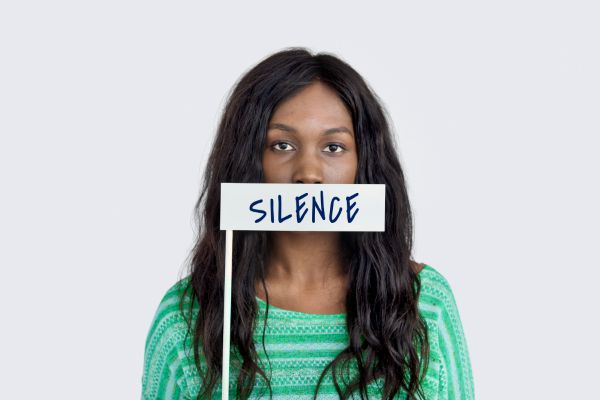
Over time, constantly swallowing what you want to say can create resentment or anger. You may begin to resent the person you cannot speak to. You can even become angry at yourself because you never gave yourself permission to say what you thought.
This does not mean that we should respond to everything that happens to us. Just like that popular saying, there are times when silence is the wiser choice. You shouldn’t be giving your energy to all the arguments in your life. You also do not have to explain yourself to everyone. There are moments when speaking up is necessary, especially when remaining silent means continually ignoring your feelings, needs or convictions.
The wisdom lies in knowing the difference. Why do you choose silence? It should not be simply because you are afraid of what people might say or how they might react. Neither should speaking be something you do simply because you feel you must defend yourself. You need to be able to ask yourself why you are choosing either one.
Sometimes, I still find myself wondering whether I should explain myself or just let things be. I don’t always have the answer. Maybe learning to use our voices does not mean we need to speak every time we have something to say. We should decide by ourselves when to speak because we genuinely have something to say. We do not need to respond to everything, neither do we need to swallow our words all the time.
