
I’ve been there before.
Where exactly is that? I’ve been in that place where I just didn’t know how to say no to others even though I wanted to. What they wanted me to do made me uncomfortable, but I didn’t know how to tell them I couldn’t. So, I said yes and did it anyway. Later, I’ll go home and start regretting my action, hoping that one day I’ll get the courage to finally say no.
Another situation arises and I’m back to square one. I overlook the disrespect from a stranger or even a friend. Then, I pretend that their actions didn’t really hurt me and say it doesn’t matter. I apologize even when I know that I did nothing wrong, and I suppress my feelings so I don’t disappoint other people.
Funny enough, I didn’t even know I was being a doormat. I thought I was just being nice, understanding or accommodating. It took some moments of reflection to recognize what I’ve been doing, how often I’ve agreed to things I didn’t want to do. The number of times I tolerated disrespect or apologized when I wasn’t at fault.
You most likely can relate to this if you’ve ever being in my shoes. The question I asked myself was why? Why did I struggle to stand up for myself? Why did I choose to be other people’s doormat at the expense of my happiness?
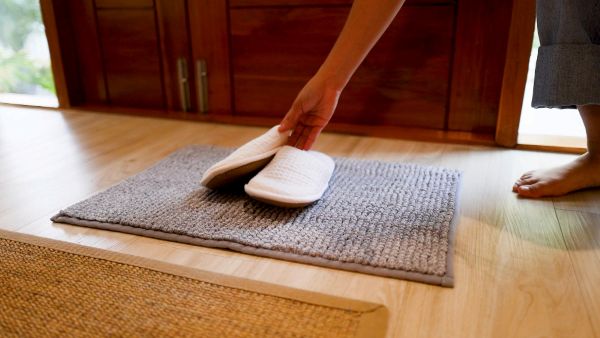
We sometimes do this because we are afraid of being rejected by the people we love. It could also be that we already feel rejected and we just want someone, anyone to accept us. Low self-esteem could also be the problem. We might have even conditioned ourselves to believe that if we agreed to everything, we would automatically become good people in the eyes of those that might not even value us in the first place.
Reasons for Being a Doormat for Others
Before we consider how to stop being a doormat, why don’t we sit and explore this uncomfortable space?
- The fear of disappointing people
Why does saying no sometimes feel like we are committing an offence? Some people feel responsible for other people’s happiness. They worry that refusing a request will make them appear selfish, unkind, or inconsiderate.
Sometimes, they do it just to have peace. Perhaps their spouse or friend might overreact if they say no to their request. In addition, they might have learnt from previous experiences that if they disagreed, it would lead to serious arguments, withdrawal of affection or unpleasant treatment. So, they begin to anticipate these reactions and agree to requests without thinking about themselves, subsequently becoming their doormats.
- The need for acceptance
Everybody wants to be loved and accepted. When we have experienced rejections too many times already, we begin to do anything just to be accepted by someone. So, agreeing to requests, tolerating disrespect and constantly accommodating others may become ways to secure our relationships.
Some believe that being useful, available and agreeable all the time will make people value them more. However, this might not be always true. Sometimes, it could just be a message to the other person that their own needs will always be above yours. Unfortunately, you might end up suffering for it.

- The discomfort of confrontation
Some people know when they have been disrespected. Instead of confronting the person and addressing the issue, they would pretend that nothing happened. This could be because they fear arguments, strained relationships or being labelled as difficult.
Consequently, they swallow their feelings, laugh off offensive comments and convince themselves that certain things don’t matter. That there is no need to make a mountain out of a mole hill. However, repeatedly suppressing these feelings can create resentment, frustration and emotional exhaustion.
I need to make a distinction here. You can be a kind, considerate and good person, but you don’t have to be doormat. Being kind does not mean you have to agree with everything. Being considerate does not mean you have to tolerate every form of disrespect. Lastly, being a good friend, partner, colleague or family member does not require you to abandon your own needs.
You can care about someone else, but you don’t have to always agree with them. You can love someone and still establish boundaries with them. Remember, being a doormat means that you are repeatedly disregarding your own feelings, needs, and boundaries just so you can keep other people comfortable, even when doing so makes you unhappy.
The first step towards changing this behavior is recognizing that it exists. We cannot begin to question patterns we have never taken the time to examine. And the hardest part could be admitting that our desire to keep everyone happy has been making us unhappy.
