
When someone dies by suicide, individuals who have interacted with them, such as friends, family members, or colleagues are left to deal with an absence they may struggle to understand. Death brings grief, but losing someone to suicide can add more emotional challenges. They may continue to ask themselves unanswerable questions, some might feel guilty over things that were left unsaid.
Others might have to deal with the painful realization that someone they cared about was struggling and they could not recognize it. They might revisit their last conversations with the deceased, remember past disagreements or wonder whether a phone call they ignored could have made a difference.
Sveen and Walby, in their study on suicide bereavement, found that survivors felt more shame, rejection, blame, and stigma compared to people bereaved by other causes of death. However, feeling responsible does not mean someone was responsible. Suicide is complex, and its causes cannot be reduced to one conversation, disagreement, or the actions of a single person. Loved ones may struggle with unanswered questions, but they should not have to carry the burden of believing they were solely responsible for preventing the death.

The Added Burden of Silence
Apart from personal grief, survivors might have to deal with how society responds to suicide. In some communities, suicide is viewed as a shameful subject. Families may conceal the circumstances of the death to save their reputation. Friends and acquaintances may avoid discussing it because they do not know what to say.
A systematic review in the Journal of Psychosocial Nursing and Mental Health Services revealed that people bereaved with suicide frequently experienced shame, blame and judgement. The discomfort surrounding suicide made people more secretive about the issue and they isolated from the society. This has made it more difficult for people already dealing with this loss to talk to someone about their situation.
Survivors Need More Support
When someone loses a loved one to suicide, people around them may struggle to find the right words. Some may avoid the subject entirely, while others may offer explanations or advice when the grieving person just needs someone to listen to them. So, how do you help them?
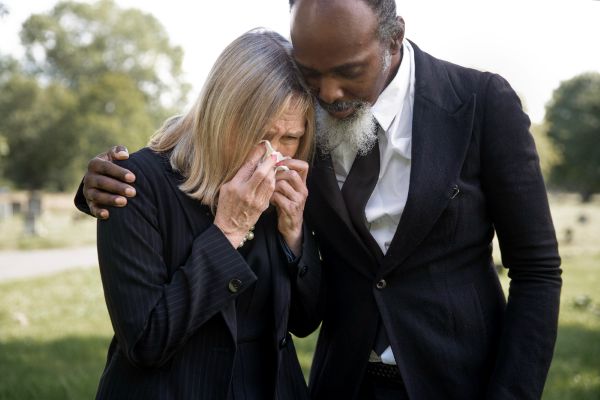
- Your presence during their time of grief might just be enough. You don’t need to overdo.
- Allow them to talk about their loss and don’t make them fill judged. Also, don’t try to rush them through the grieving process.
- Check in on them beyond the initial process of sympathy. That could go a long way in helping them deal with the grief.
- Introduce them to professional counselling and bereavement support groups to help them process their difficult emotions.
In addition, understand that people grieve differently. Some may want to talk about the person they lost, while others may need more time. Do not treat their response as a measure of how much they cared for the person.
Their Pain should never be Overlooked
We may never fully understand what it feels like to lose someone close to us to suicide unless we experience that loss ourselves. But we can recognize that the people left behind are also going through something difficult. They may be dealing with grief, guilt, unanswered questions and the pressure of navigating a society that is sometimes uncomfortable discussing suicide.
The least we can do is to make that experience feel lonely. We can offer compassion and give them room to process what has happened. Someone has died, but there are also people left behind who need to be cared for. Their pain deserves to be acknowledged too.
