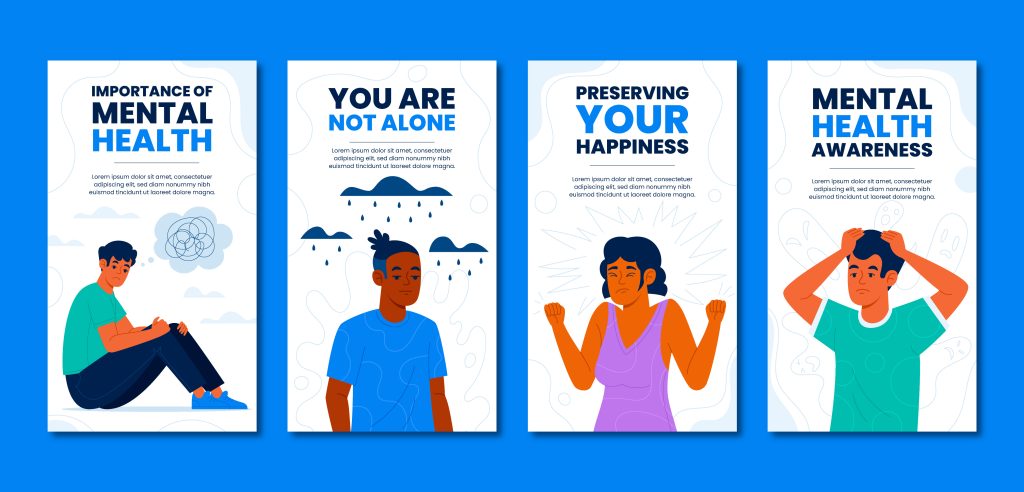
Growing up, mental illness was often seen as an abomination in my community. Anyone who battled with a mental illness would often be isolated or hidden away from the public. Perhaps, they were taken to an herbalist’s shrine, a church, or an Imam’s residence. There, people believed they would get their deliverance from whatever spirits were troubling them.
In my household, it was only in movies that I became aware of what mental illness meant. I could only recognize a mentally ill person when they were naked and moving around the street aimlessly. People barely talked about mental health and they associated mental illness with madness, spiritual problems, or personal weakness. Depression, suicide, anxiety, schizophrenia and so many others were missing in our vocabulary. Whenever anyone, especially a child, started acting differently, people called them stubborn or rebellious. Adults believed that beatings and correction would put the child back on track. If this didn’t work, they resorted to prayers of deliverance organized by ministers of God.
When we couldn’t put a name to our feelings, we were often told that what we were experiencing was normal. When we eventually found names for those feelings, shame wouldn’t let us talk about them. So, rather than be expressive, we chose silence and let them remain buried. Gradually, our silence taught us to give the wrong names to our feelings. Anxiety became lack of faith. Depression became ordinary sadness. Distress became stubbornness. Suicidal thoughts became evil thoughts. Instead of seeking help from therapists or mental-health professionals, we resorted to incessant fasting and prayers.
When I became a student at the University of Ibadan, I became exposed to the reality of mental health. I began to understand how much misinformation had circulated throughout African communities. I understood why, in many African communities, people would easily dismiss others’ feelings instead of taking them seriously. It became clear why many Africans would bottle up their feelings instead of expressing them. Shame and fear of ridicule were major factors.
My own experience with mental health pushed me to begin to speak up about the problem. At first, people wondered why I was talking about the issue. Some even laughed and thought it irrelevant. However, I kept speaking about this issue, making as many people as possible aware of the situation. I was willing to endure the ridicule that sometimes came with speaking about it. I made sure to speak about the uncomfortable truths about mental that many would rather avoid.
Gradually, many people have become more aware of what mental health entails. Many have also begun sharing their own experiences, and conversations about mental health are gradually becoming less taboo. Although there are significant changes, more people need to take action. Many people across Africa still treat those living with mental illness as though they were an abomination. So, more people still need to rise to speak up about mental health stigmas that continue to affect our communities.
The ridicule, insult, stigma, or negative tagging might arise because of your insistence to speak the truth. This should not deter you as there is someone out there who needs to hear that what they are experiencing is real. They need to understand that seeking help is not something to be ashamed of. Someone is still struggling with a mental-health condition and does not know where to turn to. You can be the bridge that helps them take the right step towards getting help. Let the silence stop with you. Begin to speak up concerning mental health and help the next person seek the help they need.
