
Before you can decide to stop being a doormat, you need to understand your why. That is what we explored in the previous post, Why Do We Keep Being Other People’s Doormats? Now that we have considered some of the reasons people struggle to stand up for themselves, it’s time to look at what can be done to change this.
Changing what you have become so used to can be quite challenging. You have spent many years agreeing to things you didn’t want to do, overlooking disrespect or putting other people’s happiness ahead of yours. In fact, you might have unconsciously structured your mind to believing that that’s the way it ought to be. So, how do you begin to change this familiar pattern?
It starts with making a conscious decision to treat your own needs and feelings as important as those of other people. Here are some things you can begin to practise.
- Learn to say no
How many times have you agreed to something because you didn’t know how to decline? You were exhausted, yet you still said yes to the favour that would strain you the more. Because you were afraid of disappointing that person, you accepted an invitation you didn’t want.
Learn from now that you can say no whenever it’s not comfortable for you. If it takes practising it in front of a mirror, please do. Also, you don’t have to come up with elaborate excuses every time you say no. A simple, respectful explanation is often enough. Remember, declining a request doesn’t automatically make you selfish or inconsiderate.
- Stop making yourself responsible for everyone’s happiness
You cannot keep everyone happy, no matter how hard you try. You will disappoint others by your decisions sometimes. Someone might not appreciate that you declined their request or chose to prioritise something else. That doesn’t mean you have done anything wrong.
I think one of the things we need to understand is that other people’s reactions are not always ours to manage. You can be considerate of their feelings without making yourself responsible for how they respond to every decision you make. If someone becomes upset because you cannot meet their expectations all the time, you don’t have to abandon your decision just to make them happy.
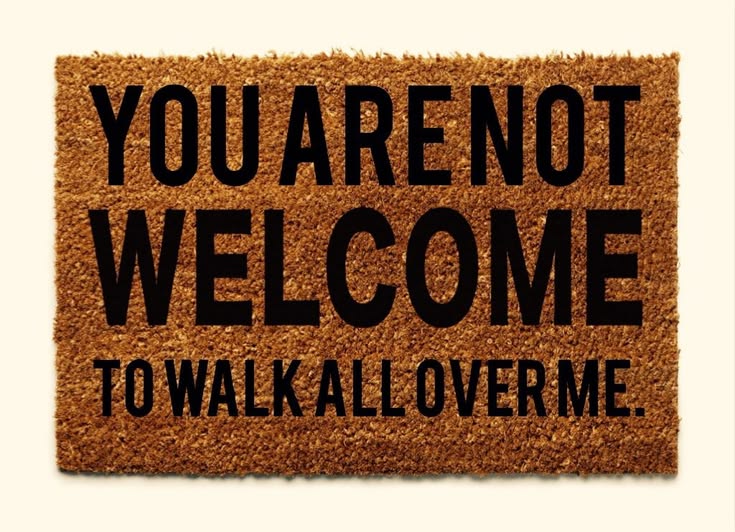
- Speak up when someone disrespects you
You shouldn’t laugh at offensive jokes, pretend that hurtful comments don’t matter or remain silent when someone crosses a line. We sometimes convince ourselves that if we ignore these behaviours, it will help us avoid unnecessary arguments. However, when this becomes too frequent, we become hurt, frustrated and resentful.
You can express your displeasure without being insulting or aggressive. If someone says something that makes you uncomfortable, let them know. If a friend repeatedly disregards your feelings, have an honest conversation about it.
- Establish boundaries and communicate them
There is a difference between being available to people and allowing them unlimited access to your time, energy and resources. You might need to establish boundaries around how much time you spend helping others, the kind of conversations you are willing to entertain or the way people speak to you.
For instance, you can decide that you won’t entertain unreasonable demands simply because someone expects you to be available. You can also make it clear that you won’t tolerate certain forms of disrespect even from people you love. Note that you need to decide your next line of action once those boundaries are repeatedly ignored.

- Stop seeking validation through constant approval
You don’t have to prove that you are a good person by agreeing to everything people ask of you. Your worth isn’t determined by how useful you are to others, how many favours you do or how often people commend you for being available.
You can be a good friend without always being available. Also, you can be a loving partner without agreeing with everything your partner says. You can be a supportive colleague without taking responsibility for everyone’s workload.
- Accept that some people may not like the change
This is probably one of the uncomfortable parts of learning to stand up for yourself. When people are accustomed to you always agreeing, helping and accommodating their needs, they may not respond positively when you begin to do things differently.
They might react to you negatively, describing you as difficult or selfish. You may even begin to question if you are doing the right thing. Remember that someone’s discomfort with your boundaries doesn’t automatically make those boundaries unreasonable. You cannot continue to make decisions that hurt you just because you are afraid of how others might react when you start prioritising yourself.
You deserve the same consideration you give others
Learning to stop being a doormat doesn’t mean becoming rude, inconsiderate or unwilling to help people. It means that you understand that your feelings, time, needs, and happiness are important too.
It may take time to unlearn certain behaviours, especially when you have spent years believing that saying no makes you a bad person or that speaking up will cost you important relationships. You might still feel guilty the first times you decline a request or express your displeasure. That doesn’t mean you should immediately go back to your old ways.
Start with small changes. You have so much time considering how other people feel. It’s time to extend that same consideration to yourself.
